In the fast-paced, humor-driven world of internet culture, memes are the lingua franca. They capture fleeting moments, amplify opinions, and spread like wildfire, often crafted with surprising ease using tools like Canva. But as you navigate the viral landscape, have you ever paused to consider the legal tightrope you might be walking? Understanding Copyright & Fair Use for Memes Created in Canva isn't just for legal buffs; it's essential knowledge for anyone creating or sharing content online in 2025, whether for fun, commentary, or even commerce.
This isn't about stifling creativity; it's about empowering you to create boldly and responsibly. We'll demystify the often-complex world of intellectual property, helping you confidently remix, parody, and comment without inadvertently stepping into a legal quagmire.
At a Glance: Key Takeaways for Meme Makers
- Copyright is Automatic: Original works are protected the moment they’re created, no registration needed.
- Fair Use is a Defense: It's a legal argument, not a free pass, allowing limited use of copyrighted material without permission.
- Transformation is Key: The more your meme adds new meaning or commentary (like parody), the stronger your fair use claim.
- Commercial Use is Risky: Monetizing memes that rely on copyrighted material significantly weakens fair use arguments.
- Social Media Platforms React Fast: Expect quick takedowns for suspected infringements, with repeat offenses risking account suspension.
- International Laws Vary: Fair use (U.S.) isn't universal; other countries have stricter rules.
- Attribution Isn't Permission: Giving credit is polite but doesn't grant fair use rights.
The Foundation: What Are We Really Talking About?
Before diving into the nuances of meme law, let’s get our terms straight. Knowing these definitions is like having your legal compass calibrated before setting sail.
- Meme: Think of a meme as a cultural shorthand – an image, video, or text snippet, usually humorous, that gets copied and adapted rapidly across the internet. It evolves, mutates, and spreads, often with slight, impactful variations.
- Copyright: At its heart, copyright is a legal shield for original creative works. This includes photos, illustrations, videos, written text, music, and more. The moment an original work is "fixed" in a tangible form (like saving a photo to your camera roll), copyright protection automatically kicks in. While you don’t need to register your work with the U.S. Copyright Office for protection to exist, registration is a crucial step if you ever need to sue for infringement or seek statutory damages.
- Fair Use: This is the balancing act. Outlined in U.S. Copyright Law (17 U.S. Code § 107), fair use allows you to use copyrighted material in specific, limited ways without asking permission. Its purpose is noble: to promote creativity and free expression, even when it involves someone else's original work. However, fair use is a legal defense, meaning if you're sued, you'll have to prove your use was "fair." It's not a clear-cut rule but a flexible, case-by-case analysis.
Decoding Fair Use: The Four Factors You Need to Know
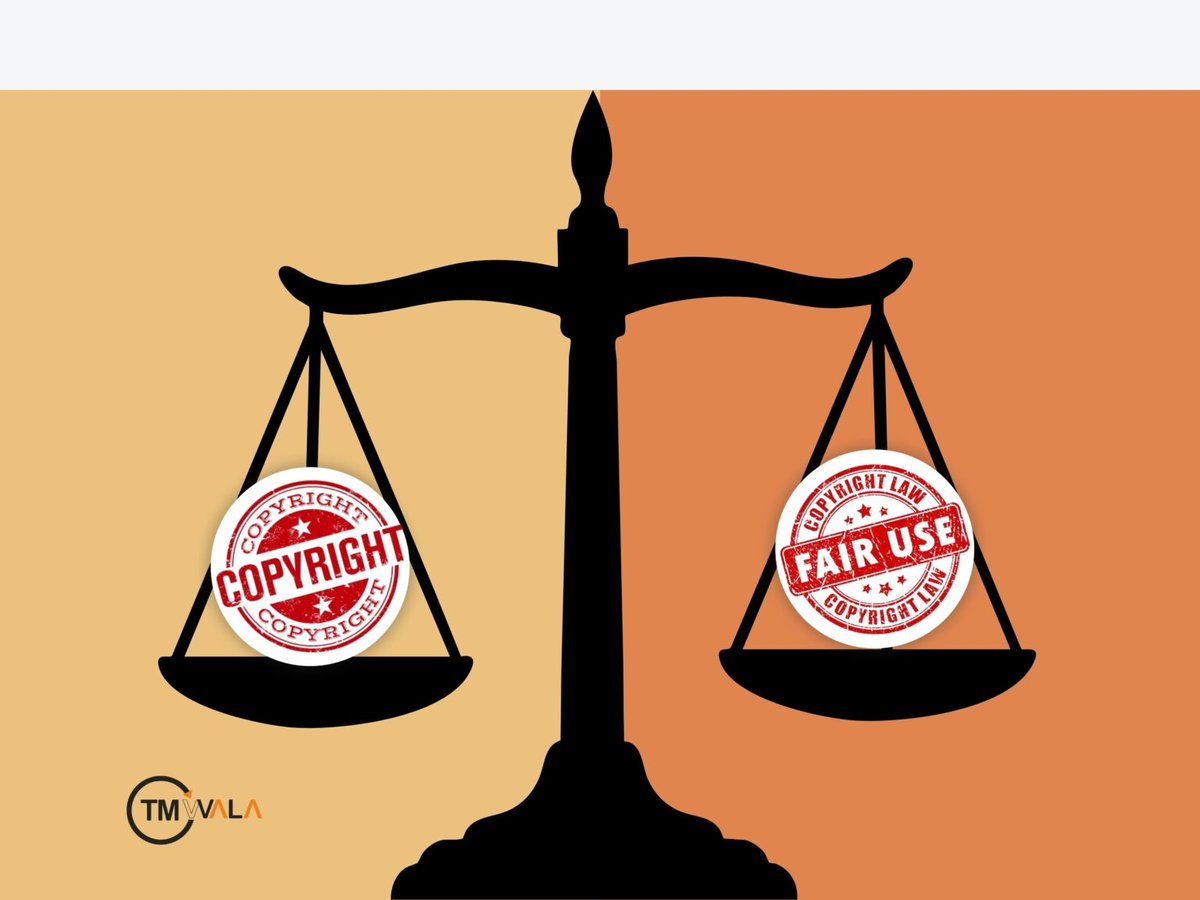
When a court evaluates whether a particular use of copyrighted material is "fair," they weigh four specific factors. It's not a checklist where you need to win on every point; rather, it’s a holistic assessment where some factors might weigh more heavily than others. Think of it as a legal scale, tipping one way or the other based on these considerations.
Factor 1: The Purpose and Character of Your Use
This is often the most critical factor for memes. The core question here is: Are you merely reproducing the original, or are you transforming it?
- Transformative Use: This is your golden ticket. If your meme adds new meaning, message, or aesthetic – for example, through parody, critique, or commentary – it's considered transformative. A meme that takes a serious dramatic movie still and adds a ridiculously mundane caption, completely altering its original intent, is a strong example of transformative use. This kind of use leans heavily towards fair use.
- Commercial vs. Non-Commercial: Is your meme designed to make money, or is it for non-profit, educational, or purely personal use? Non-commercial uses generally have an easier time qualifying for fair use. If you're selling T-shirts with a meme, that's commercial, and it puts more pressure on the "transformative" aspect.
Factor 2: The Nature of the Copyrighted Work
What kind of work did you use as your source material? This factor looks at the original piece's characteristics.
- Factual vs. Creative: Factual works (like news articles or scientific reports) generally receive less protection than highly creative works (like original artwork, novels, or elaborate photographs). You have a stronger fair use argument if you're pulling from a factual source.
- Published vs. Unpublished: Published works (like a photo already publicly shared) are typically easier to argue for fair use than unpublished works, which receive stronger protection.
Many of the images or video clips that become meme templates, however, originate from highly creative works (films, TV shows, popular photography), which can weigh against fair use.
Factor 3: The Amount and Substantiality of the Portion Used
How much of the original did you take, and was it the "best" part?
- Quantity: Using a small snippet of a larger work generally favors fair use. Using an entire photograph, or a significant portion of a song, would weigh against it.
- "Heart" of the Work: Even if you use a small quantity, if that portion is the "heart" – the most recognizable, iconic, or significant part of the original work – it can weigh heavily against fair use. Think of a famous movie line, a distinctive facial expression, or a unique visual element. Many memes, by their nature, use precisely these "heart" elements.
Factor 4: The Effect of the Use Upon the Potential Market or Value of the Copyrighted Work
Does your meme harm the original creator's ability to make money from their work?
- Market Harm: This factor assesses whether your meme acts as a substitute for the original work, potentially reducing sales or licensing opportunities for the copyright holder.
- Increased Awareness vs. Substitution: For most highly transformative, non-commercial memes, it's unlikely they will harm the market for the original. In fact, some viral memes can even increase public awareness and interest in the source material, inadvertently boosting its value. However, if your meme is so similar that someone might choose it instead of the original (or a licensed derivative), that’s a red flag.
Memes in the Legal Crucible: Where They Often Stand
Memes thrive on remix culture. They take an existing image, video, or text, add a layer of humor or commentary, and unleash it. This act of transformation is precisely what fair use often protects. When you create a meme, for instance, using a Canva meme generator, you're likely adding text, filters, or other elements that shift its original meaning.
Many memes lean into parody or social critique, which are strong arguments for fair use under the "purpose and character" factor. The sheer volume and speed of meme creation and dissemination in 2025, however, amplify both the creative output and the legal risks.
Factors Often Favoring Fair Use for Memes:
- Transformative Nature: The new caption, context, or visual tweak changes the original meaning, making it a parody or commentary.
- Non-Commercial Intent: You're sharing for laughs, not for profit.
Factors Often Weighing Against Fair Use for Memes: - Highly Creative Source: Many iconic meme images come from movies, TV shows, or professional photography – highly creative works that receive strong copyright protection.
- Using the "Heart": Memes often rely on the most recognizable, iconic part of the original, regardless of how small the snippet.
High-Risk Zones: When Your Meme Might Not Be Fair Use
While the internet loves a good meme, there are clear lines where your creative expression can cross into copyright infringement territory. Be especially wary in these scenarios:
- Commercial Exploitation: This is a huge one. If you're using a meme that heavily relies on copyrighted material to sell merchandise (T-shirts, mugs), promote a brand in a sponsored post, or generate ad revenue, your fair use defense significantly weakens. The legal system sees this as directly profiting from someone else's creative work without adding sufficient new creative expression to justify it.
- Lack of Transformation: Simply reposting a copyrighted image or video clip, even with a minor filter, without adding new meaning, commentary, or humor, is unlikely to qualify as fair use. Purely reproductive use without genuine transformation is usually infringement.
- Direct Competition or Substitution: If your meme (or the product it promotes) could somehow substitute for the original copyrighted work in its market, you’re in trouble. This is rare for typical memes but can happen with more direct, less transformative uses.
- Using Official Media Without Commentary: Repurposing high-quality, official stills from movies, celebrity photos, or brand assets without adding genuine parody or critique can be risky. If the meme lacks sufficient transformative content, it might look too much like unauthorized commercial use or derivative work.
Navigating the Meme Landscape: Best Practices for 2025
The good news is you don't have to abandon meme culture. With a few smart strategies, you can minimize your risks and create engaging content responsibly.
- Be an Original Content Creator: The safest bet is always to start with your own material. Use your own photos, illustrations, or video clips as the base for your memes. This sidesteps copyright issues entirely.
- Embrace Public Domain & Creative Commons: Many excellent resources offer content specifically designed for reuse. Sites like Pixabay, Unsplash, and Pexels provide high-quality images under licenses that permit modification and commercial use (though always double-check specific license terms for each image). Works in the public domain are also fair game.
- Transform, Don't Just Copy: This is your primary defense. Ask yourself: "Am I adding new meaning, commentary, or parody to this image?" If your meme merely duplicates the original's message or aesthetic, it's a weak fair use claim. The more your meme truly remixes, critiques, or comments, the stronger your position.
- Exercise Caution with Logos and Trademarks: While brand parodies can sometimes fall under fair use, using company logos or trademarks in a way that suggests endorsement, affiliation, or could dilute the brand's reputation is dangerous. Trademark law is separate from copyright and protects brand identifiers.
- Verify Sources and Document Your Transformation: Whenever possible, try to understand the source of your meme material. A reverse image search can sometimes reveal its origins. If you're building a meme with transformative intent, make a mental or even physical note of how your meme adds new value or commentary. This documentation can be invaluable if you ever need to defend your use.
- Stay Alert to Takedown Notices: Social media platforms are increasingly quick to respond to copyright infringement claims, often using automated tools. If you receive a takedown notice (a DMCA notice in the U.S.), address it promptly. Ignoring it or repeatedly infringing can lead to account suspension. While you can file a counter-notification if you genuinely believe your use is fair, be aware this might escalate the situation and could lead to further legal action.
- Obtain Permission When Unsure: If your meme relies heavily on a copyrighted work, and you're feeling uncertain about fair use, the safest path is to seek permission from the copyright holder. Many content creators are surprisingly amenable to granting licenses, especially for non-commercial uses, and a simple email can resolve potential headaches.
- Educate Your Team: If you manage social media accounts for a brand or organization, ensure everyone involved understands these principles. Brands often leverage memes for engagement, but without proper understanding, they can expose themselves to significant legal risks.
- Attribution is Good, But Not a Shield: Crediting the original source is always good practice and demonstrates respect for creators. However, simply saying "Credit: [Original Artist]" does not automatically make your use fair or legal. You still need permission or a valid fair use defense.
- Commercializing Memes Requires Rights: If you plan to sell merchandise, run ads, or otherwise monetize memes that incorporate protected material, you must secure the necessary rights or create entirely original content. The commercial aspect severely weakens fair use defenses.
The Legal Landscape in 2025: What's Changed?
The internet moves at light speed, and while core copyright law evolves more slowly, its practical enforcement and judicial interpretations are always shifting.
- Parody Reigns Supreme (Still): Courts continue to recognize parody as a strong category for fair use. If your meme clearly mocks, critiques, or comments on the original work itself (or its context), it stands a better chance.
- Monetization is Under the Microscope: With the creator economy booming, monetized content, including memes, is facing closer scrutiny. Judges are more likely to award damages if a commercial meme is found to be insufficiently transformative, particularly if it competes with the original's market.
- Social Media's Role: Platforms like Instagram, X (formerly Twitter), and TikTok are quicker than ever to comply with takedown demands. Their automated systems are more sophisticated, and they are increasingly prone to suspending or banning repeat infringers to avoid their own legal liabilities.
- International Differences are Crucial: Remember, fair use is primarily a U.S. legal doctrine. If your audience or the copyright holder is in another country, different rules apply. The European Union, for instance, has stricter copyright laws and generally recognizes only specific, limited exceptions, which may not be as broad as U.S. fair use, even for parody. For a truly global meme, understanding these variations is critical.
Unpacking Common Meme-Related Misconceptions
Let's clear up some common myths that often circulate about memes and copyright.
"If it's on the internet, it's fair game."
Absolutely not. The internet is merely a distribution channel. The moment an original work is created and posted online, it's typically copyrighted. Posting something publicly doesn't automatically put it into the public domain or make it available for unlimited reuse.
"I only used a small part, so it's fair use."
Not necessarily. While the amount used is a factor, the substantiality – whether you took the "heart" of the work – is often more important. A short, iconic clip from a movie or a distinctive facial expression might be a "small part" quantitatively but can be the most significant piece, weighing against fair use.
"I modified it slightly, so it's transformative."
Minor modifications, like cropping or adding a basic filter, generally aren't enough to make a work transformative. True transformation involves adding new meaning, message, or aesthetic that significantly alters the original's purpose or character. It's about changing the essence, not just the surface.
"I'm not making money, so it's always fair use."
While non-commercial use often favors fair use, it's not a guarantee. All four factors are weighed. If you use an entire copyrighted work without transformation, even for non-commercial purposes, it could still be infringement.
"I gave credit, so I'm fine."
Attribution is good practice and ethical, but it has no bearing on whether a use is legally fair. Copyright law is about permission or a valid legal defense, not just giving a shout-out.
Create with Confidence: Your Next Steps
The world of memes is dynamic, creative, and powerful. By understanding the principles of copyright and fair use, you're not just protecting yourself legally; you're also becoming a more responsible and informed digital citizen.
The takeaway is clear: prioritize originality, lean into transformation, and be mindful of commercial intentions. Before you click "share" on that next viral sensation, take a moment to consider its origin and your contribution. With knowledge and a touch of caution, you can continue to spread joy, commentary, and creativity through memes, all while staying on the right side of the law.