In today's fast-paced digital world, mastering the art of a quick, relatable laugh isn't just fun – it's a superpower for engagement. If you’re looking to tap into this viral potential, learning Getting Started: How to Use Canva Meme Generator is your gateway to social media success. Memes aren't just internet jokes; they're potent tools for connection, virality, and driving genuine user interaction across platforms like Instagram, TikTok, Twitter, and Reddit. They build relatability, create shared humor, and offer incredible exposure without the typical advertising spend.
This guide will walk you through everything you need to know, from signing up for Canva to leveraging advanced AI tools in CapCut, ensuring your memes aren't just seen, but felt.
At a Glance: Your Meme Creation Journey
- Canva is your starting line: Easy drag-and-drop, tons of templates, and free to get going.
- CapCut is your next-level play: Advanced AI for unique visuals, image-to-video magic, and robust audio tools.
- Customization is key: Don't just use a template; make it yours with text, emojis, GIFs, and brand elements.
- Copyright matters: Always aim for originality, especially for commercial use. Modify templates or generate unique visuals with AI.
- Engagement is the goal: Memes drive likes, comments, and shares—so create with your audience in mind.
Why Memes? The Undeniable Power of Viral Content
Before we dive into the "how," let's briefly touch on the "why." Why should you even bother with memes? Because they work.
Memes are the ultimate digital handshake. They offer a unique blend of humor, relatability, and timely commentary that cuts through the noise of crowded feeds. A well-crafted meme can:
- Drive User Engagement: Likes, comments, and shares skyrocket because people naturally want to share what makes them laugh or nod in agreement.
- Offer Versatility: From lighthearted jabs to poignant social commentary, memes adapt to nearly any context or message.
- Thrive on Key Platforms: They're the native language of Instagram, TikTok, Twitter, and Reddit, ensuring your content feels right at home.
- Build Relatability: Shared humor creates an instant bond, making your brand or personal profile feel more human and approachable.
- Possess High Viral Potential: A truly good meme can spread like wildfire, reaching vast audiences without a single penny spent on advertising. It's organic reach gold.
In short, memes aren't just fleeting trends; they're a fundamental component of effective digital communication in the modern era. And now, let's equip you to create them.
Your Go-To Tool: Mastering the Canva Meme Generator
Canva has revolutionized graphic design, making it accessible to everyone, regardless of their design background. For meme creation, it’s a powerhouse of simplicity and effectiveness. If you've ever thought, "I could never make that," Canva is here to prove you wrong.
Canva Basics: Getting Set Up and Ready to Create
Your meme journey with Canva begins in one of two ways:
- Sign Up for a Free Account: If you’re new to Canva, head to their website and sign up. A free account gives you access to a vast library of templates, images, and fonts – more than enough to get started with meme creation. It's quick, intuitive, and gets you right into the action.
- Log In to Your Existing Account: Already a Canva user? Great! Just log in, and you’re ready to roll.
While a free account is incredibly robust, a Canva Pro subscription offers premium templates, a larger library of stock photos and elements, advanced features like Brand Kit, and more storage. For serious marketers or creators, it’s a worthwhile investment, but don’t feel pressured to upgrade immediately. Master the free tools first.
Finding Your Foundation: Choosing a Meme Template
Once you're in, the magic begins.
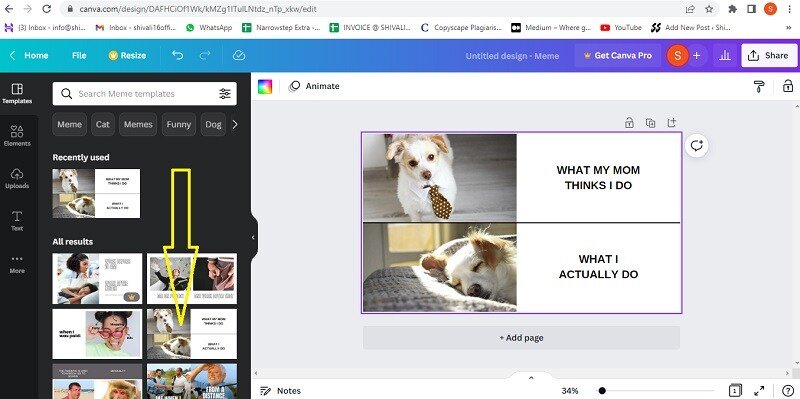
- Search for "Meme": The easiest way to kick things off is to use Canva's search bar. Type "meme" and hit enter. You'll be presented with a staggering array of pre-designed templates, ranging from classic formats to trending layouts.
- Browse and Select: Scroll through the options. Canva's templates are often trend-savvy, meaning they're designed to reflect current internet humor and popular visual styles. Look for a template that loosely fits the vibe or message of the meme you have in mind.
- Adjust Aspect Ratio: Before you get too deep into customization, consider where your meme will live.
- Square (1:1): Ideal for Instagram feed posts.
- Vertical (9:16): Perfect for Instagram Stories, Reels, TikTok, or YouTube Shorts.
- Landscape (16:9): Great for Twitter or general web use.
- Canva makes it easy to resize your design with a few clicks, ensuring your meme looks good on its intended platform.
Pro Tip: Don't feel you have to stick to traditional meme formats. A funny quote on a visually appealing background is still a meme! Canva's flexibility encourages creative interpretation.
Make It Yours: Customizing Your Meme to Perfection
This is where your creativity truly shines. Canva’s drag-and-drop interface makes customization incredibly easy.
- Modify Text: This is the core of most memes.
- Content: Click on any text box to edit the words. Keep it concise, punchy, and relevant to your humor.
- Fonts: Choose from Canva's extensive font library. Often, sans-serif fonts like Impact (the classic meme font) or similar bold, clear styles work best for readability.
- Colors: Match your brand's palette or pick colors that pop.
- Effects: Add outlines, shadows, or other effects to make your text stand out, especially against busy backgrounds.
- Add Emojis, GIFs, and Shapes:
- Elements Tab: On the left sidebar, click "Elements." Here, you can search for virtually anything.
- Emojis: Inject extra personality or emotion.
- GIFs: Some Canva templates allow for animated GIFs, adding dynamic movement. (Note: These will often export as MP4 videos, not static images).
- Shapes: Use simple shapes to create text backgrounds, borders, or graphic accents.
- Upload Personal Logos and Brand Elements: If you're creating memes for a brand or business, consistency is key.
- Uploads Tab: Use the "Uploads" section to bring in your own images, logos, or other brand assets.
- Branding: Subtly place your logo in a corner or incorporate brand colors into the design. This helps with recognition and prevents your viral content from being disassociated from your identity.
Mini Example: Imagine you're making a meme about Monday mornings. You could start with a grim-faced animal template. Then, you'd change the text to something like "My brain trying to function before coffee." Add a small, exasperated emoji from the 'Elements' tab and perhaps a subtle, transparent version of your company's coffee cup logo in the corner. Simple, effective, branded.
Share Your Masterpiece: Download and Distribute
You've crafted a comedic gem; now it's time to unleash it!
- Download Options:
- PNG: Best for high-quality images, especially if your meme includes text or transparent elements.
- JPEG: A good option for smaller file sizes, suitable for web use where load speed is a concern.
- MP4 Video/GIF: If your meme includes animated elements (like GIFs from Canva's library), you might need to download it as a video or animated GIF.
- Share Directly: Canva offers direct sharing to various social platforms. Click the "Share" button in the top right, and you'll often find options to post directly to Instagram, Facebook, Twitter, and more, or even schedule posts if you have a Canva Pro account.
- Team Collaboration: One of Canva’s unsung heroes is its collaboration feature. If you're working with a team, you can share editable drafts, allowing others to provide feedback or make adjustments before final publication. This is invaluable for maintaining brand voice and quality control.
Why Canva Shines: Pros at a Glance
Canva isn't just popular by accident; it's designed to empower creators. Here's a quick rundown of its advantages:
- Beginner-Friendly Drag-and-Drop Interface: No design experience? No problem.
- Trend-Savvy Templates: Stay current with minimal effort.
- Multi-Platform Access: Create on the web, your phone, or tablet.
- Team Collaboration: Edit and review drafts seamlessly with colleagues.
- Free Resources with Optional Premium Upgrades: Start free, scale up when needed.
Canva truly is an indispensable tool for quick, effective, and visually appealing meme creation.
Power User Move: CapCut as Your Advanced Meme Lab
While Canva excels in static image memes and simple animated graphics, sometimes you need to push the boundaries. This is where CapCut, particularly its desktop version, steps in as a robust, AI-powered solution for advanced meme creation. Think unique visuals, video integration, and dynamic soundscapes.
CapCut's Edge: AI and Video Integration for Next-Level Memes
CapCut brings a different set of superpowers to the meme game:
- AI Image Generation for Unique Visuals: Imagine describing your ideal meme scenario with a text prompt and having CapCut generate the visual for you. This feature helps create truly original and unique meme templates or elements, steering clear of common stock images or heavily used templates.
- Image to Video Transformation: Static memes are great, but short, engaging videos are king on platforms like TikTok and Reels. CapCut can transform your still meme images into dynamic short videos with animation, transitions, and effects, making them far more captivating.
- Rich Visual Elements: Beyond basic stickers and text, CapCut offers a wealth of filters, overlays, and effects that can dramatically enhance the visual appeal and comedic timing of your memes.
Creating Memes with CapCut: A Step-by-Step Guide
Getting started with CapCut for memes involves a slightly different workflow, leveraging its video editing strengths:
- Open a New Project: Launch CapCut desktop and start a fresh project.
- Select a Template or Generate an AI Image:
- Templates: Navigate to the "Templates" section, search for "meme," download a suitable one, and drag it onto your timeline.
- AI Image: For maximum originality, utilize the AI image feature. Enter a descriptive text prompt (e.g., "Angry cat yelling at a salad," "Confused dog wearing glasses coding"). CapCut will generate unique images you can then use as your meme's visual foundation. You can also reference existing images to generate variations.
- Add Your Visuals:
- Replace Template Clips: If you started with a template, replace placeholder clips with your own uploaded files (photos, short video clips).
- Integrate AI Images: Drag your AI-generated images onto the timeline.
- Enhance with Text, Stickers, and Filters: Use CapCut’s extensive library of text styles, animated stickers, and filters to overlay your message and visual flair.
- Export Your Creation:
- Still Frame: If your meme is primarily visual, you can export a specific still frame as a PNG or JPEG.
- Video: For animated memes, those with transitions, or any dynamic elements, export as an MP4 video. This is ideal for TikTok, Instagram Reels, YouTube Shorts, and even animated GIFs for Twitter.
Mini Case Snippet: Let's say you want to make a meme about a relatable tech struggle. Using CapCut's AI image generator, you could prompt: "Overwhelmed programmer staring at multiple monitors, surrounded by coffee cups, 8-bit style." CapCut generates a unique visual. Then, you'd add animated text overlaying "Debugging on a Friday afternoon." You could even add a subtle, looping "glitch" effect to the background, and a short, exasperated sigh sound effect. This moves beyond a static image into a mini, engaging video meme.
Adding the Right Vibe: Audio in CapCut Memes
Audio is often the secret sauce for truly viral video memes. CapCut makes it easy to incorporate:
- Meme-Worthy Audio Clips: CapCut has a built-in library of trending sounds and sound effects. Search for common meme sounds or choose something that complements your visual.
- Voiceovers: Record your own voice explaining the joke, adding a comedic narration, or mimicking a popular character.
- Sound Effects: A well-placed "ding," "boing," or even silence can enhance the comedic timing dramatically.
- Adjustable Volume and Speed: Fine-tune audio levels, fade in/out, and even speed up or slow down clips for added effect.
Navigating the Meme Minefield: Copyright and Originality
This is a critical section. While memes thrive on shared cultural references, you need to be mindful of copyright, especially if your memes are for commercial use (marketing a product, promoting a business, etc.).
The Fine Line: Using Existing Content Responsibly
- Copyrighted Characters/Formats: Using a recognizable character from a movie, TV show, or video game, or directly lifting a unique format that is trademarked, can raise legal issues.
- Fair Use vs. Commercial Use: "Fair use" allows limited use of copyrighted material without permission for purposes like commentary, criticism, news reporting, teaching, or parody. However, commercial use complicates this significantly. When you're using a meme to drive sales or build a brand, the "fair use" argument often weakens.
- The Golden Rule: When in doubt, modify. If you're using a template, significantly alter the text, add original elements, and make it clear that it's your unique take, rather than a direct copy.
Building Uniqueness: Leveraging AI and Custom Templates
The best way to avoid copyright headaches and stand out in a crowded meme landscape is through originality. Both Canva and CapCut provide tools for this:
- Canva's Customization: As discussed, upload your own photos, illustrations, or graphics. Combine Canva’s free elements in novel ways. The more you move away from the "out-of-the-box" template, the safer you are.
- CapCut's AI Image Generator: This is your strongest tool for originality. By prompting the AI to create unique visuals based on your concepts, you generate imagery that is genuinely yours. You can even use reference images with CapCut's AI to get a specific style but with new content.
- Custom Meme Templates: Both platforms allow you to upload your own base images or design elements to create truly custom templates. Find a unique photo, draw a character, or design a specific layout, and then use Canva or CapCut to add the text and finishing touches. This ensures your meme's visual foundation is entirely your creation.
Remember: Always ask yourself: "Is this meme unique enough to avoid directly infringing on someone else's intellectual property?" When in doubt, err on the side of originality.
Pro Tips for Meme Magic: Making Your Content Stick
Creating a meme is one thing; creating a good meme that resonates and spreads is another. Here are some seasoned journalist tips to elevate your meme game:
- Stay Current and Be Timely: Memes are often fleeting, riding the wave of current events, pop culture phenomena, or trending topics. Keep an eye on social media, news, and even your audience's conversations to spot opportunities for timely humor. A meme about yesterday's news is often too late.
- Know Your Audience: What do they find funny? What are their shared experiences, frustrations, or inside jokes? Tailor your humor and references to your specific niche. A meme that works for Gen Z TikTok might fall flat with C-suite LinkedIn users.
- Keep It Simple, Stupid (KISS Principle): The best memes are instantly understandable. Don't overcomplicate the joke or cram too much text. A quick glance should be enough to "get it." Clarity and brevity are your allies.
- Embrace Relatability: The most viral memes often tap into universal human experiences: frustration, joy, procrastination, the absurdities of daily life. If people can see themselves in your meme, they're far more likely to share it.
- Test and Learn (A/B Testing, Even for Memes): Not every meme will be a hit. Pay attention to what performs well with your audience. Which formats, types of humor, or visual styles get the most engagement? Learn from your successes and your misses. Don't be afraid to iterate.
- Don't Force It: Authenticity shines through. If you're struggling to make a joke land, it might not be the right meme for that moment or message. Sometimes, the funniest memes come from genuine, spontaneous ideas.
Frequently Asked Questions About Meme Creation
Are Canva memes free to use?
Yes, many Canva templates, elements, and fonts are free to use for both personal and commercial purposes. However, some premium elements (indicated by a crown icon) require a Canva Pro subscription or a one-time purchase. Always double-check the licensing for specific elements if you're concerned.
Can I sell memes created with Canva/CapCut?
Generally, yes, you can sell designs you create with these tools, provided you adhere to their terms of service and, more importantly, you own the copyright to all the underlying content. If you use premium elements or copyrighted images/characters without proper licensing, you could run into legal issues. Best practice: use your own original images, CapCut's AI-generated images, or free-to-use stock photos, and always modify templates significantly.
What's the best aspect ratio for memes?
It depends on the platform:
- Instagram Feed: Square (1:1) is standard.
- Instagram Stories/Reels, TikTok, YouTube Shorts: Vertical (9:16) is ideal.
- Twitter/Facebook: Landscape (16:9) or square (1:1) work well.
- Reddit: Square or vertical often perform best.
Always design with your primary platform in mind, and use Canva's or CapCut's resizing tools.
How can I make my meme go viral?
While there's no magic formula, combining these elements significantly increases your chances:
- Timeliness: Tap into current events or trends.
- Relatability: Address universal experiences or niche inside jokes.
- Originality: Offer a fresh perspective or visual.
- Simplicity: Easy to understand and share.
- Platform Optimization: Format it correctly for where you're posting it.
- Emotion: Make people laugh, cry (rare for memes, but possible!), or feel understood.
Your Next Step: Start Creating!
The digital world is waiting for your unique blend of humor and insight. Now that you're armed with the knowledge of how to leverage powerful tools like the Canva Meme Generator and the advanced capabilities of CapCut, there's no excuse not to dive in.
Don't overthink it. The best way to get good at making memes is to simply start making them. Experiment with different templates, play with text and images, and see what resonates with your audience. The next viral sensation could very well be one of your creations. So, open Canva or CapCut, unleash your creativity, and let the laughs (and engagement) begin!